

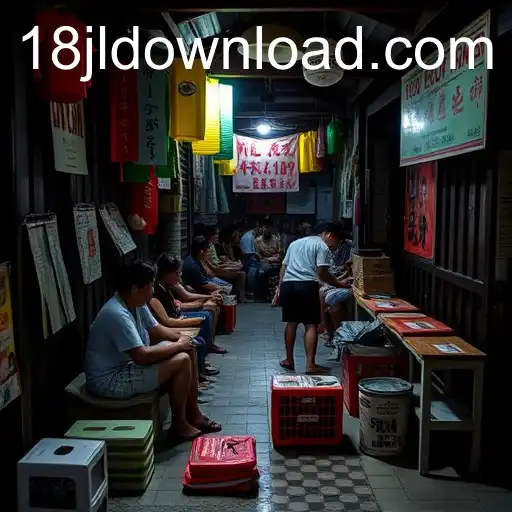

In the rich tapestry of gambling traditions in Southeast Asia, one practice stands out in the Philippines for its notoriety and pervasiveness — Jueteng. This illegal numbers game, operating in the shadows, influences various aspects of society, economy, and even politics.
Understanding Jueteng requires a glimpse into its historical roots. Emerging prominently during the Spanish colonial period, Jueteng finds its etymology in the Chinese words "huet-eng", signifying "flower bet". It has captivated vast segments of the population, offering both a form of entertainment and a potential source of income.
Over the years, Jueteng evolved, intertwining with the socio-economic fabric of the country. Its adaptability ensured it survived multiple crackdowns and regulatory reforms, making it a complex socio-economic phenomenon.
The mechanics of Jueteng are deceptively simple, which is one of the reasons for its widespread popularity. Participants choose a combination of numbers, typically between 1 and 37. These numbers are drawn, and winners receive returns that are often a hundredfold their original bet. This tantalizing prospect of high returns for a minimal investment speaks to the game's allure.
Typically, the neighborhood collector, known as "Cabo", serves as the crucial link between bettors and the larger Jueteng operation. This grassroots approach not only decentralizes its operation but also gives a familiar face to what might otherwise be an impersonal transaction.
The societal impact of Jueteng is profound. For many citizens, especially in rural and poorer communities, it serves as a deceptive ray of hope, offering potential relief from financial hardships. The money wagered and possible winnings provide a temporary escape, albeit with the risk of fostering cycles of poverty and addiction.
Economically, Jueteng operates as an underground economy, generating significant untaxed revenue. This unregulated income contributes to the informal economic sector, complicating government efforts to regulate and understand true economic activities within communities.
One cannot discuss Jueteng without acknowledging its political dimensions. Historically, the game has been a tool for political leverage. Local politicians wield it to gather support, while their clandestine protection of the operations often guarantees loyalty and votes. In return, operators gain a shield against potential police and governmental actions, perpetuating a cycle of mutual benefit.
Several high-profile political scandals linked to Jueteng have further highlighted its deep-rooted influence. The entwining of politics and gambling scandals has led to public distrust, challenging the integrity of democratic institutions.
The illegality of Jueteng presents challenges in enforcement and regulation. Law enforcers often find themselves outnumbered and outmaneuvered by the decentralized nature of the game. Additionally, allegations of corruption and collusion further incapacitate attempts to eliminate its existence.
Efforts to legalize Jueteng under controlled state supervision have been mooted as potential solutions. Proponents argue that legalizing and taxing the game could provide government revenue while curtailing its illicit elements. However, opponents worry that such measures could normalize and further entrench gambling within the community ethos.
Jueteng is as much a cultural phenomenon as it is an economic one. Stories, folklore, and cultural icons often reference or depict aspects of the game, highlighting its ambivalent role in Philippine culture. For many, it represents a form of resistance against societal inequities, a reflection of resilience amidst adversity.
In popular media, Jueteng is frequently romanticized or critiqued, reinforcing its ambiguous status between vice and necessity. From local films to songs, the game is entrenched in the cultural consciousness, often becoming a background narrative to stories of struggle and triumph.
As modernization pervades even the most remote villages of the Philippines, the future of Jueteng faces both challenges and opportunities. New technologies offer potential avenues for digital adaptations, while increased governmental oversight and modernization initiatives seek to curb its influence.
Ultimately, the complexity of Jueteng lies in its multifaceted relationship with the Filipino people. Balancing cultural heritage with societal progress presents an ongoing challenge. As the nation grapples with its presence, understanding and addressing the underlying issues may offer pathways to resolving its historic bind.

Explore the immersive world of PubTycoon, a strategic simulation game that combines entertainment with management challenges.

Explore the captivating world of MadHitMrCoin, a game that blends excitement with cryptic challenges, and understand its groundbreaking rules and engaging gameplay.

Explore the exciting world of SuperAceJoker, a captivating card game with unique rules and gameplay, set to revolutionize the gaming community.

Dive into the exhilarating world of CrazyNuoZha and uncover its unique gameplay, rules, and captivating storytelling.

Explore AgeofViking, an immersive game that combines strategic gameplay with Viking lore. Delve into its introduction, gameplay mechanics, and the latest updates connecting it with current events.

Discover the thrilling elements of TreasureBowl with this comprehensive guide, including gameplay, rules, and recent updates.
